
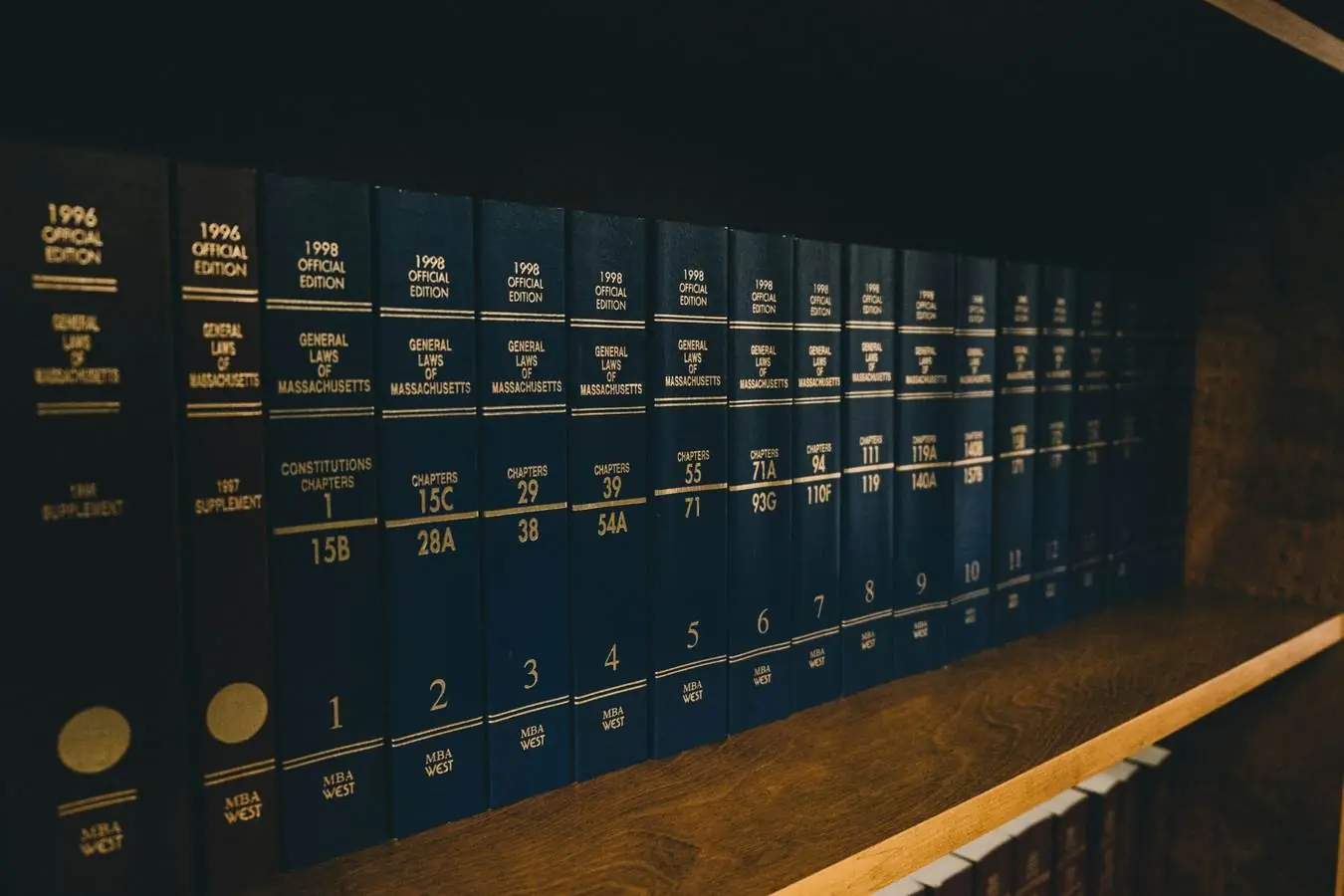
Knowing how to review a commercial contract is a core discipline for anyone responsible for protecting revenue, managing risk, or closing deals under pressure. A contract is not just a…
Knowing how to review a commercial contract is a core discipline for anyone responsible for protecting revenue, managing risk, or closing deals under pressure. A contract is not just a record of agreement - it is the operational blueprint for the relationship, allocating liability, defining performance, and dictating what happens when things go wrong. Miss a poorly drafted indemnity, an uncapped liability clause, or an auto-renewal buried in the schedules, and the commercial consequences can be significant and long-lasting.
Effective contract review is methodical. It combines legal precision with commercial judgement, weighing what the words say against what the business actually needs. Reviewers must interrogate the risk allocation, test the practicality of obligations, and flag anything that shifts leverage away from their organisation. Done well, it accelerates negotiation, strengthens positioning, and prevents disputes before they arise. Done poorly, it exposes the business to costs and liabilities that could have been avoided at the drafting table.
What Is how to review a commercial contract?
Reviewing a commercial contract is the disciplined process of examining a proposed agreement between businesses to identify legal risks, commercial exposure, and operational obligations before signing. It is not a proofreading exercise. It is a structured assessment of whether the document accurately reflects the deal, protects your position, and holds up under stress when performance falters or disputes arise.
The scope covers every clause that carries consequence: parties and capacity, scope of work, price and payment terms, delivery and acceptance, warranties, indemnities, liability caps, termination rights, intellectual property, confidentiality, data protection, governing law, and dispute resolution. A proper review also looks at what is missing. Silent contracts are dangerous contracts, and gaps often cost more than poorly drafted clauses.
Context matters. A supply agreement is reviewed differently from a services contract, a distribution deal, a SaaS subscription, or an M&A transaction. The commercial leverage between the parties, the value at stake, the regulatory environment, and the counterparty's jurisdiction all shape what "good" looks like. A clause that is standard in one industry may be entirely unacceptable in another.
Reviewing a commercial contract sits at the intersection of law and commerce. It requires legal fluency to interpret drafting, but also business judgment to weigh which risks are worth accepting, negotiating, or walking away from. Done well, it turns a static document into a working instrument that supports the transaction, allocates risk deliberately, and gives both parties a clear framework for delivering on what they promised.
Key Benefits of how to review a commercial contract

Knowing how to review a commercial contract is a core competency for any business leader, in-house counsel, or procurement professional. It is the difference between signing a deal that protects your position and signing one that quietly erodes margin, transfers risk, or locks you into obligations you never intended to accept.
Risk identification before it becomes liability. A structured review process surfaces the clauses that carry commercial teeth: indemnities, limitation of liability caps, warranties, termination triggers, and change-of-control provisions. Spotting these early gives you the leverage to negotiate them out, cap them, or price them in.
Stronger commercial position. Reviewing methodically forces you to test the contract against the deal that was actually agreed. Ambiguity in payment terms, delivery obligations, service levels or acceptance criteria almost always favours the drafter. A disciplined review flips that dynamic and secures terms that reflect your commercial intent.
Cost control and margin protection. Auto-renewals, price escalation mechanisms, minimum spend commitments and exclusivity clauses can silently inflate the true cost of a contract over its lifetime. Catching them at review stage protects profitability across the entire term, not just at signature.
Regulatory and compliance certainty. A rigorous review confirms alignment with data protection obligations, anti-bribery provisions, sanctions regimes, and sector-specific rules. This reduces exposure to enforcement action and reputational damage.
Faster deal execution. Counterintuitively, teams who know how to review a commercial contract close deals more quickly. They work from clear playbooks, escalate only what matters, and avoid the drawn-out back-and-forth that comes from unfocused redlining.
Clarity for the operational teams who inherit the contract. A well-reviewed contract is one that finance, delivery and account management can actually execute against, without returning to legal every time a question of interpretation arises.
How How to Review a Commercial Contract Works

Reviewing a commercial contract is a structured discipline, not a read-through. Done properly, it moves from broad commercial context down to the granular language that will govern performance, liability, and exit. Here is how the process actually works.
1. Establish the commercial deal first. Before opening the document, understand what your business is buying, selling, or committing to. Pricing model, term, deliverables, key dependencies. If the contract does not reflect the deal on the table, nothing else matters.
2. Read the operative clauses in sequence. Start with scope, then price and payment, then term and termination. These four dictate the economics. Check that obligations are defined with precision - vague deliverables create disputes and unpaid invoices.
3. Pressure-test the risk allocation. Move to liability caps, indemnities, warranties, and limitations. Ask three questions on every risk clause: what triggers it, who carries it, and is the exposure proportionate to the contract value? An uncapped indemnity on a low-margin deal is a red flag, not a detail.
4. Interrogate the boilerplate. Governing law, jurisdiction, assignment, change of control, force majeure, and notices are not filler. They decide where you fight, who you fight, and whether the contract survives a corporate restructure.
5. Cross-reference definitions and schedules. Defined terms shift meaning across a document. Schedules often contain the real commercial content - SLAs, pricing tables, acceptance criteria. Read them against the main body, line by line.
6. Mark up with commercial intent. Categorise issues as deal-breakers, negotiables, and drafting fixes. This gives the counterparty a clear path to resolution and protects negotiating capital for the points that matter.
7. Sign-off and version control. Track every change, confirm final execution copies match the negotiated position, and archive with the negotiation trail intact.
Common Questions About how to review a commercial contract
How long should a commercial contract review take? It depends on complexity and value. A standard services agreement of 10-15 pages typically takes 2-4 hours for a thorough review. Complex M&A documents, licensing deals, or contracts with unusual risk profiles can require days. Rushing is where costly mistakes happen - budget the time properly.
What are the highest-risk clauses to focus on first? Prioritise indemnities, limitation of liability, termination rights, payment terms, IP ownership, and dispute resolution. These provisions carry the most commercial and legal exposure. Confidentiality and governing law clauses matter too, but they rarely sink a deal on their own.
Should I review a contract myself or engage a lawyer? For low-value, standard-form agreements you've seen before, an internal review often suffices. For anything above your risk threshold - typically deals with significant financial exposure, unusual liability terms, or regulatory implications - engage counsel. The cost of legal review is almost always less than the cost of a poorly drafted clause.
What's the difference between reviewing and negotiating a contract? Review is the diagnostic phase: identifying risks, gaps, and unfavourable terms. Negotiation is where you address them. A strong review produces a clear list of redlines and fallback positions before you sit down with the counterparty.
How do I handle contracts drafted by the other side? Assume they favour the drafter. Read every defined term, check cross-references, and never accept boilerplate at face value. Standard-looking language often conceals meaningful shifts in risk allocation.
Conclusion
Knowing how to review a commercial contract is a commercial skill, not just a legal one. Every clause carries a cost, a risk, or a lever you can pull later. Miss them at signature, and you inherit them for the life of the deal.
The essentials are straightforward. Confirm the parties and commercial terms match what was agreed. Stress-test liability caps, indemnities, termination rights, and payment mechanics. Read warranties and IP provisions against how the deal will actually operate. Flag anything ambiguous, one-sided, or silent on a material point, then negotiate it before the ink dries.
Speed matters, but discipline matters more. Build a repeatable checklist, apply it consistently, and escalate the clauses that carry real exposure.
Your next step: take your most recent template or inbound contract and run it through the framework above. The gaps you find on a familiar document will tell you exactly where to tighten your review process next.
This sits within our Commercial Contracts guidance.
Disclaimer: This article provides general information only and does not constitute legal advice on any individual circumstances.